


Medicine //
The FDA’s approval shows we’re getting closer to understanding these headaches
Claire Maldarelli at 08:43 AM May 23 2018

Medicine //
Some neurosurgeon fans decided to investigate.
Sara Chodosh at 08:43 AM May 23 2018
Science //
How folks in rural Australia are pushing back against climate change.
Jeremy Deaton at 08:43 AM May 23 2018
Science //
They’re everywhere and they can also treat cancer.
Kat Eschner at 08:43 AM May 23 2018
Science //
NOAA’s GOES-17 satellite is ready for action.
Mary Beth Griggs at 08:43 AM May 23 2018
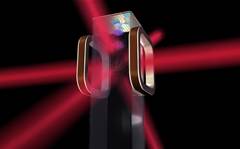
Science //
The Cold Atom Laboratory launched this morning
Mary Beth Griggs at 08:43 AM May 23 2018

Medicine //
When spring and summer storms strike, asthma attacks can get worse.
Claire Maldarelli at 08:43 AM May 23 2018


EDITOR'S PICKS
By Sara Chodosh Posted 17.08.2020
| 0 Comments
By Rob Verger Posted 08.08.2020
| 0 Comments
By Lexi Krupp Posted 17.08.2020
| 0 Comments
By Neel V. Patel Posted 17.08.2020
| 0 Comments

